


What is remarketing helps brands reconnect with people who showed intent but did not convert. It turns forgotten sessions into second chances by using consented signals and precise timing. At Global Reach Marketing, we unite data, creative, and bidding to recover value with care. Explore our approach in holistic remarketing services.
What is remarketing fundamentals and key concepts
Remarketing reconnects known interest with relevant reminders across the customer journey. This section grounds your strategy in consent, identity, and context, so every impression feels timely, not intrusive. To set a strong base, note the essential levers below, then see how they play out in real campaigns and messages.

Explain remarketing basics and its core concepts clearly
Defining consented identity and privacy guardrails
Remarketing starts with consented identity and transparent value exchange. Use first‑party data, hashed emails, and platform consent frameworks to honor privacy. Disclose tracking clearly and offer meaningful preferences. When signals degrade, rely on modeled cohorts, not fingerprinting. A disciplined stance protects brand trust, preserves reach, and ensures your teams can answer the question, “Why am I seeing this ad?”
Journey mapping that aligns timing and motivation
Map the journey from first touch to repeat purchase with friction points, questions, and milestones. Then align remarketing windows to moments that matter, like trials expiring or quotes pending. Use different cadences for researchers, basket abandoners, and demo no‑shows. The right timing reduces pressure while surfacing helpful proof, next steps, and outcomes customers care about.
Measurement foundations and incremental lift
Measure beyond last click to understand true contribution. Use holdouts, geo experiments, and matched markets to estimate incremental lift. Combine platform conversion modeling with server‑side events for resilience. Report by audience, recency, and creative theme to see what drives lift, not just clicks. These practices help explain what is remarketing value credibly to finance and leadership.
Audience strategy, data, and segmentation tactics
Smart audience design keeps costs sane while making relevance effortless. In this section, you will translate signals into discrete playbooks that teams can understand and operate. Each tactic is practical, measurable, and ready to test at small scale before you invest real budget.
Develop audience strategies, data use, and segmentation tactics
Building durable audiences with first‑party data
Invest in first‑party data to future‑proof what is remarketing. Capture event streams, preferences, and consent in your CRM or CDP. Sync clean lists to ad platforms through hashed identifiers. Define eligibility windows by consent status and activity. Durable data lowers reliance on third‑party cookies and gives you more control over suppression, frequency caps, and lifetime value forecasting across performance and brand channels.
Recency, frequency, and monetary value tiers
Use RFM tiers to prioritize who sees what and how often. High‑value, recent shoppers get loyalty nudges and early access. Lapsed buyers see win‑back bundles, not discounts that train bad habits. Combine visit depth, items viewed, and scroll depth to refine tiers. These signals guide bids and creative intensity while keeping what is remarketing aligned with profit, not just volume.
Contextual and keywords as privacy‑safe signals
Contextual placements and keyword lists rebuild reach when identifiers weaken. Align content topics to your features, objections, and competitor comparisons. Pair contextual signals with time‑of‑day and device cues to sharpen relevance. This privacy‑safe targeting blends well with first‑party audiences, keeping your what is remarketing program resilient across browsers, app ecosystems, and evolving regional regulations that limit cross‑site tracking.
Lookalikes and modeled cohorts with caution
Modeled cohorts and lookalikes can scale reach, but define your seed carefully. Use recent, high‑margin converters and exclude coupon‑only buyers. Monitor overlap rates to avoid bidding against yourself. Validate with small geo tests and creative that fits prospecting, not remarketing. The goal is efficiency, so keep modeled audiences separate from core pools and cap bids until you confirm incremental contribution.
Using what is remarketing across channels and metrics
Cross‑channel orchestration turns isolated tactics into a system. Here you will see how paid search, paid social, programmatic, email, and SMS reinforce each other without overwhelming your audience. You will also learn the key metrics that move leadership discussions from vanity to verifiable business impact.
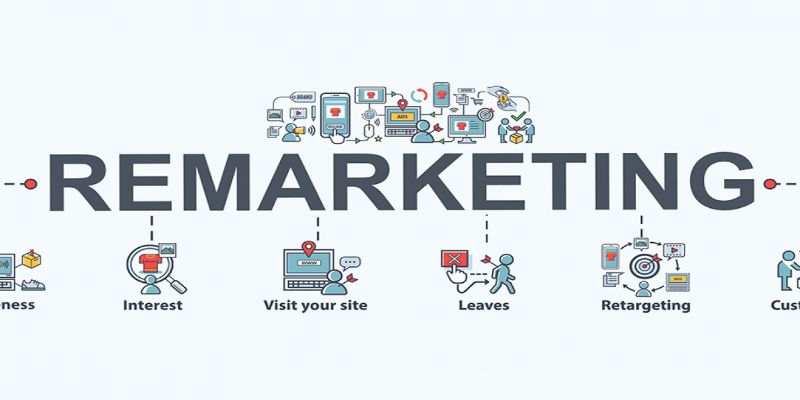
Use remarketing across channels and performance metrics consistently
Paid search remarketing lists for search ads (RLSA)
RLSA sharpens intent by adjusting bids and messages when past visitors search again. Increase bids for high‑value segments and show benefit‑led copy tied to pages viewed. Use exact match for bottom‑funnel terms and defend your brand with tailored sitelinks. Align budgets with audience size to avoid volatility. RLSA keeps what is remarketing visible exactly when prospects return with stronger intent.
Paid social sequences that advance the story
Design social sequences that progress from credibility to clarity to commitment. Start with testimonials and outcomes, then move to demos or configurators, and close with risk reducers like guarantees. Use native lead forms for warm cohorts and landing pages for high‑consideration buys. Cross‑frequency caps with programmatic to prevent fatigue. Social storytelling turns what is remarketing into a respectful conversation, not repetition.
Programmatic display with dynamic product feeds
Dynamic feeds show the right product with current price, stock, and incentives. Tie templates to category depth, margin, and shipping thresholds. Suppress low‑availability items and seasonal dead ends. Layer on contextual lists to preserve performance in cookie‑limited environments. Programmatic reach, when paired with consented data, lets what is remarketing scale beyond walled gardens without losing precision or brand integrity.
Email and SMS nudges that respect attention
Email and SMS are intimate, so send fewer, better messages. Reference the exact step users paused at, offer help, and show social proof. Use preference centers and quiet hours to reduce churn. A single, clear action beats cluttered templates. When integrated with ads, these channels lift what is remarketing by reclaiming high‑intent moments without paying third‑party auction premiums.
Measurement that proves incremental business impact
Shift reporting from clicks to contribution. Run periodic holdouts, rotate geo‑split tests, and adopt media mix modeling as scale grows. Track assisted revenue, time to convert, and churn reduction alongside cost per incremental conversion. Share executive summaries that link spend to margin, not just revenue. Solid measurement turns what is remarketing from a cost center into a durable, defensible growth lever.
Conclusion
What is remarketing works best when identity is consented, audiences are precise, creative advances the dialogue, and measurement proves lift. Ground your plan in durable data and respectful frequency. Then layer channels that complement each other, not compete. If you need a partner to orchestrate this system end‑to‑end, explore Global Reach Marketing remarketing solutions built for sustainable growth.